
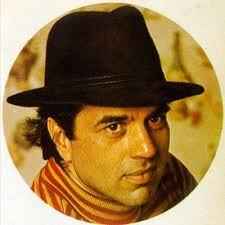
In the rich tapestry of Indian cinema, very few stars have achieved the timeless appeal, charisma, and mass following that Dharmendra holds even today. Known as the He-Man of Bollywood, Dharmendra wasn’t just another actor on the silver screen — he was a cultural force who shaped how heroism, masculinity, and emotion were portrayed. His journey from a small village in Punjab to becoming one of Bollywood’s most enduring icons is a story of grit, charm, and naturally gifted stardom.
A Humble Beginning With a Powerful Presence
Born Dharam Singh Deol in 1935, Dharmendra’s early life was far removed from the glitz of Mumbai. His childhood was spent in a simple village environment where cinema was a distant dream. Yet, destiny had bigger plans. When he won a talent contest organized by Filmfare, he took his first step toward an extraordinary career — one that eventually transformed the landscape of Indian film industry.
Even in his early films, Dharmendra stood out. While many actors of the 1960s relied on exaggerated expressions and dramatic dialogues, Dharmendra brought natural ease to the screen. His presence was strong, but never forced. His charm was effortless, making him instantly relatable and widely admired.
The Rise of Bollywood’s He-Man
Dharmendra was given the title He-Man for good reason. During an era when action sequences were performed without advanced technology or body doubles, Dharmendra executed stunts with raw physicality. He embodied strength — not just in muscles, but in attitude and style. Films like Phool Aur Patthar, Anupama, Aankhen, and Sholay showcased his power-packed performances that established him as the ultimate masculine hero of the time.
However, calling Dharmendra only an action star would be an understatement. His versatility is what truly separated him from others. He could fight villains fiercely in one scene and melt hearts with emotional vulnerability in the next. Whether it was romance, drama, comedy, or action, Dharmendra’s adaptability made him a complete entertainer.
A Heartthrob Who Ruled Romance
While action roles earned him admiration, Dharmendra’s romantic films won love from millions. His chemistry with actresses like Meena Kumari, Hema Malini, and Asha Parekh remains iconic. Films like Satyakam, Chupke Chupke, Dream Girl, and Sholay portrayed him as a leading man who could express affection with subtlety — a rare trait in that era.
His charm was not loud or exaggerated. It was gentle, confident, and genuine. He became the romantic ideal for countless fans, admired for his expressive eyes, confident smile, and gentleman-like demeanor.
A Legacy of Blockbusters and Evergreen Performances
Dharmendra’s filmography spans over six decades with more than 300 movies. What makes his career remarkable is the consistent quality of his performances. Some of his most celebrated works include:
- Sholay (1975) – His role as Veeru remains one of Bollywood’s most iconic characters.
- Chupke Chupke (1975) – Dharmendra’s impeccable comic timing made this film a classic.
- Phool Aur Patthar (1966) – A milestone film that redefined his image as a strong and charismatic hero.
- Satyakam (1969) – Often regarded as one of his finest performances, filled with emotional depth.
- Dillagi (1978) – Showcased his versatility in soft romantic drama.
No matter the role, Dharmendra brought honesty and sincerity to every performance. This authenticity made him a household name in every corner of India.
More Than Stardom: A Man Loved for His Simplicity
Behind his superstar image, Dharmendra has always maintained a reputation for being down-to-earth and warm-hearted. The stories shared by co-stars, directors, and crew members highlight his humility and grounded nature. He never pretended to be larger-than-life; instead, he let his work speak for itself.
In interviews, he often mentioned that he considered himself “a farmer from Punjab” before anything else. This simplicity became one of his strongest qualities and a reason fans connected with him so deeply.
The Deol Legacy: His Influence Lives On
Dharmendra’s legacy continues through the next generations. His sons Sunny Deol and Bobby Deol carved their own successful careers. His daughters Esha and Ahana also stepped into entertainment and arts. His grandson Karan Deol represents the third generation of the Deol family in Bollywood.
But beyond family, Dharmendra’s influence stretches across the entire industry. Many contemporary actors credit him as their inspiration — not just for his on-screen style, but for his dedication, grit, and honesty as an artist.
Dharmendra Today: Still the Heart of Millions
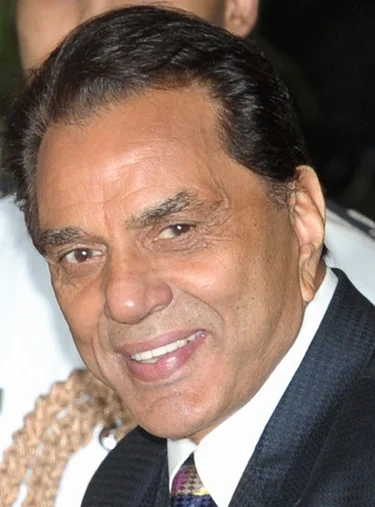
Even in his 80s, Dharmendra commands massive love from fans across all age groups. Social media has played a big role in introducing him to the younger generation. His candid posts, emotional messages, and glimpses into his life at his farmhouse remind the world why he is adored: he is real, relatable, and kind.
Films like Rocky Aur Rani Ki Prem Kahani proved that his appeal remains evergreen. Every appearance by Dharmendra still sparks nostalgia and joy.
Conclusion: A Star Who Redefined the Meaning of Stardom
Dharmendra’s journey is a reminder that true stardom is not built on glamour alone — it’s built on character, talent, and consistency. He changed how heroes were portrayed on the Indian screen. He balanced strength with sensitivity, action with grace, and fame with humility.
Even today, decades later, Dharmendra remains Bollywood’s He-Man not just for his powerful physique, but for his powerful impact on Indian cinema and the hearts of millions.


