
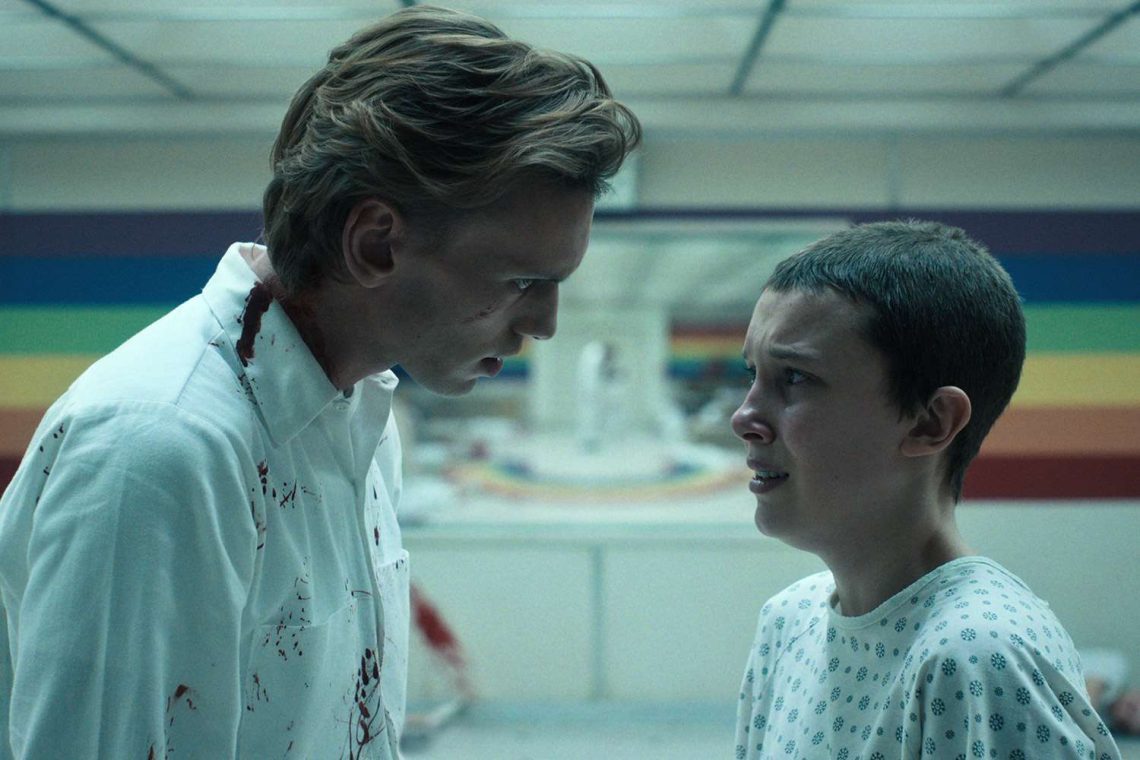
The global success of Stranger Things is not accidental. What started as a nostalgic sci-fi horror series has gradually evolved into a layered, interconnected narrative that fans now recognize as the stranger things cinematic universe. Each season doesn’t stand alone; instead, it expands the mythology, deepens character arcs, and strengthens the internal logic of the universe.
This article explains all Stranger Things seasons, how their story arcs connect, and how they collectively build the stranger things cinematic universe—clearly, chronologically, and without unnecessary speculation.
Understanding the Stranger Things Cinematic Universe
Before diving season by season, it’s important to understand what fans mean by the stranger things cinematic universe. Unlike traditional cinematic universes with multiple films and franchises, this universe is story-driven rather than franchise-driven.
It consists of:
- A shared mythology (the Upside Down, psychic experiments, interdimensional threats)
- Recurring locations (Hawkins, Hawkins Lab, the Creel House)
- Long-term character development
- Cause-and-effect storytelling across seasons
Each season answers questions from the previous one while introducing new mysteries that reshape the universe.
Season 1 Explained: The Foundation of the Universe
Core Story Arc
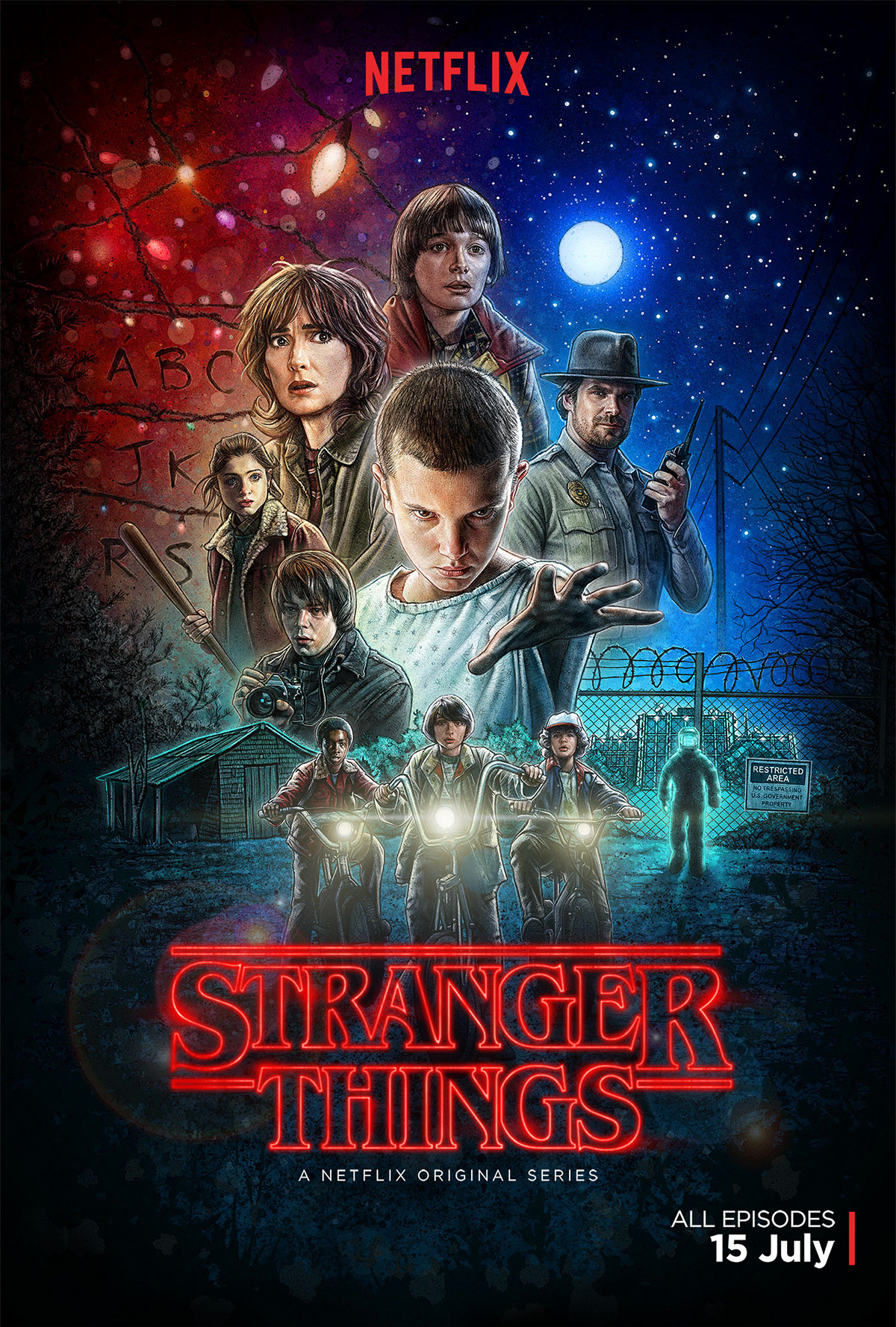
Season 1 introduces Hawkins, Indiana, and the disappearance of Will Byers. What begins as a missing-child mystery quickly becomes a supernatural thriller involving secret government experiments and another dimension.
Universe Connections Established
- Introduction of the Upside Down
- Hawkins Lab and its unethical experiments
- Eleven’s psychic abilities and their origin
- The first interdimensional breach
This season lays the rules of the universe. The Upside Down is shown as hostile, decayed, and biologically connected to monsters like the Demogorgon. Importantly, Season 1 establishes that human actions caused the threat, a theme that continues throughout the stranger things cinematic universe.
Season 2 Explained: Expansion and Consequences
Core Story Arc
Season 2 explores the aftermath of Season 1. Will has returned—but not fully. The Upside Down is no longer contained, and Hawkins itself becomes infected.
Universe Connections Strengthened
- The Upside Down is revealed as a hive-mind ecosystem
- Introduction of the Mind Flayer
- Eleven’s backstory expands beyond Hawkins
- Government attempts at containment fail
This season reframes the Upside Down as an intelligent, expanding force, not just a parallel world. It also confirms that closing a gate doesn’t end the threat—it only delays it. The cinematic universe now has long-term stakes.
Season 3 Explained: The Human Threat Within the Universe
Core Story Arc
Set in the Starcourt Mall era, Season 3 blends bright aesthetics with darker themes. While the Mind Flayer returns, the true twist is human interference—this time from foreign powers.
Universe Connections Deepened
- Russians reopening gates to the Upside Down
- The Mind Flayer using humans as vessels
- The Upside Down influencing the real world without a visible gate
- Loss of key characters reshaping emotional stakes
Season 3 shows that the stranger things cinematic universe is not just about monsters—it’s about power, control, and exploitation. The Upside Down becomes a weapon, not just a threat.
Season 4 Explained: Mythology and Origin Stories
Core Story Arc
Season 4 shifts tone dramatically. Horror becomes psychological, and the narrative expands beyond Hawkins. The mystery centers around a new villain—Vecna—and the past finally catches up with the present.
Universe Connections Revealed
- Vecna as the architect behind previous threats
- The Upside Down’s creation linked to Eleven
- Hawkins as a supernatural epicenter
- Psychic abilities explained as part of a larger system
This season recontextualizes the entire cinematic universe. Events from Seasons 1–3 are no longer random—they’re steps in a larger design. Vecna transforms the Upside Down from a mysterious dimension into a controlled domain with intent.
How All Seasons Connect into One Universe
Across four seasons, clear connections emerge:
| Element | Role in the Universe |
|---|---|
| Eleven | Catalyst of the Upside Down breach |
| Hawkins Lab | Origin point of all chaos |
| Upside Down | A parallel dimension shaped by trauma |
| Vecna | Central antagonist controlling the ecosystem |
| Mind Flayer | Weapon rather than master |
The stranger things cinematic universe follows narrative escalation. Each season increases:
- Scale of threat
- Emotional consequences
- Mythological clarity
Nothing exists in isolation. Every season redefines what came before it.
Themes That Bind the Stranger Things Cinematic Universe
Several recurring themes unify the series:
1. Science Without Ethics
Unchecked experimentation consistently causes disaster.
2. Childhood Trauma
The Upside Down often mirrors internal fears and emotional wounds.
3. Power and Control
Whether it’s governments, monsters, or individuals—power always corrupts.
4. Choice and Sacrifice
Characters’ decisions ripple across seasons, shaping the universe’s fate.
Why This Universe Feels Cohesive (and Not Messy)
Many long-running series lose coherence. Stranger Things avoids this by:
- Planning long-term story arcs
- Revisiting earlier plot points
- Avoiding unnecessary spin-offs (so far)
- Maintaining a clear central mythology
This makes the stranger things cinematic universe tight, intentional, and emotionally grounded.
What the Cinematic Universe Sets Up for the Future
Without relying on spoilers, the universe is clearly moving toward:
- A final convergence between worlds
- Resolution of Eleven’s role as creator vs destroyer
- Hawkins as the battleground for the universe’s fate
Rather than expanding outward endlessly, the series is closing its loop, which strengthens its storytelling credibility.
Frequently Asked Questions (FAQ)
What is the stranger things cinematic universe?
It refers to the interconnected story, mythology, characters, and dimensions that span all seasons of Stranger Things, forming one cohesive narrative world.
Are all Stranger Things seasons connected?
Yes. Each season builds directly on previous events, expanding the universe rather than resetting it.
Is the Upside Down the same in every season?
The Upside Down evolves. Its purpose, control, and origin become clearer with each season.
Is Vecna connected to earlier seasons?
Yes. Season 4 reveals Vecna as the underlying force influencing events from the beginning.
Will Stranger Things expand into movies or spin-offs?
While future projects may exist, the main universe is designed to conclude its core story rather than endlessly expand.
Do I need to watch all seasons to understand the universe?
Absolutely. Skipping seasons removes critical context needed to understand the stranger things cinematic universe.
Final Thoughts
Stranger Things succeeds because it respects its audience. Each season adds meaning, not confusion. The stranger things cinematic universe isn’t built on spectacle alone—it’s built on structure, memory, and consequence.
If you watch the series as a whole rather than isolated seasons, its depth becomes unmistakable. That’s what turns a popular show into a lasting universe.


