
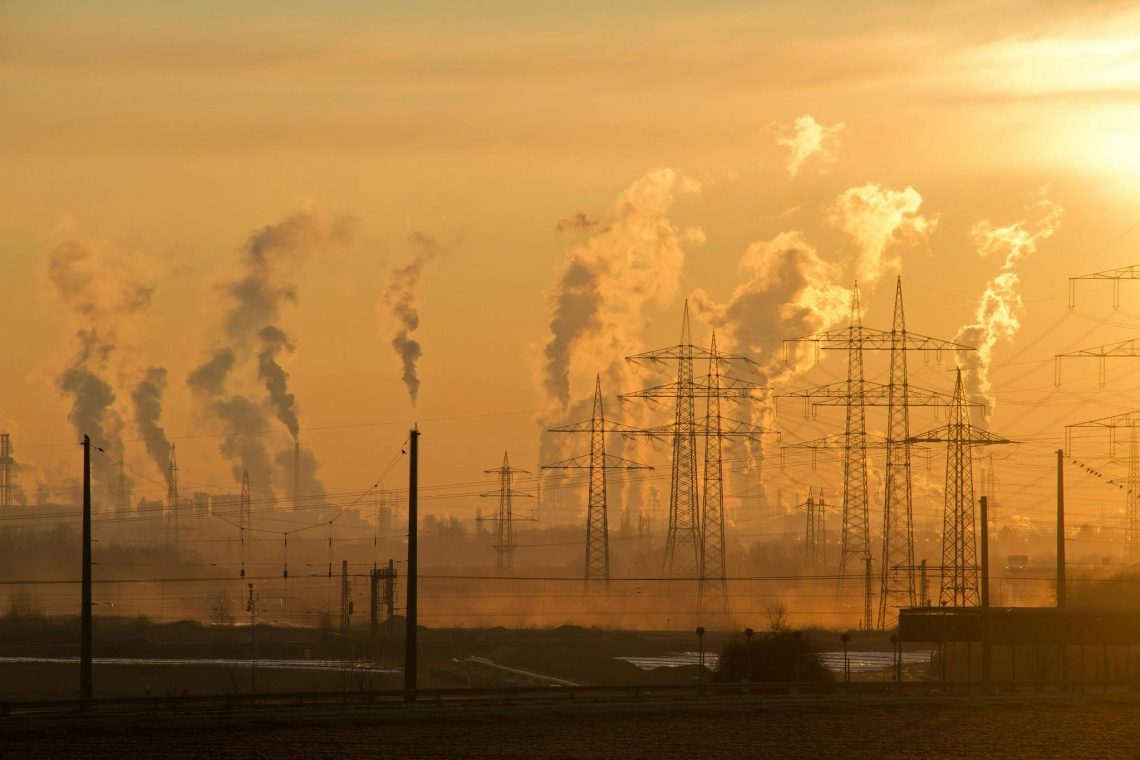
Skyscrapers, jammed roads, and rivers of cars-these are the tokens of progress that mark our cities in the 21st century. But behind this veneer of modernity lurks an increasingly deadly enemy: smog, that noxious haze which clings to our urban vistas like a bad habit. What was once considered a necessary evil in the quest for industrial progress has slowly but surely mushroomed into one of the worst health and ecological disasters of our times. The very technological advances that have made our lives faster, more convenient, and interconnected have also created a noxious cloud that is strangling our cities and imperiling our future.
The Urban Smog Story
Smog, or the blend of smoke and fog, is nothing new to human history. It gained infamy in the great industrial cities of the 20th century and most notably during London’s so-called “Great Smog” in 1952, which killed thousands of people. But today’s smog is different. It is more widespread, chemically complex, and directly linked to vehicular emissions, industrial growth, and rapid urbanization. Places such as Delhi, Beijing, and Los Angeles headline for having hazardous air quality, but they represent only a tiny tip of a much larger problem at hand across the world’s urban centers.
Smog today is formed primarily when a combination of NOx and VOCs acts together under sunlight exposure to produce ground-level ozone and fine particulate matter, namely PM2.5. These small pollutants reach deep into the lungs, where they cause respiratory diseases, heart conditions, and even cognitive decline. More than 99% of the global population now breathes air that exceeds safe pollution limits-a sober reality, showing just how deeply modern smog has infiltrated our day-to-day existence.
The Role of Technology and Traffic
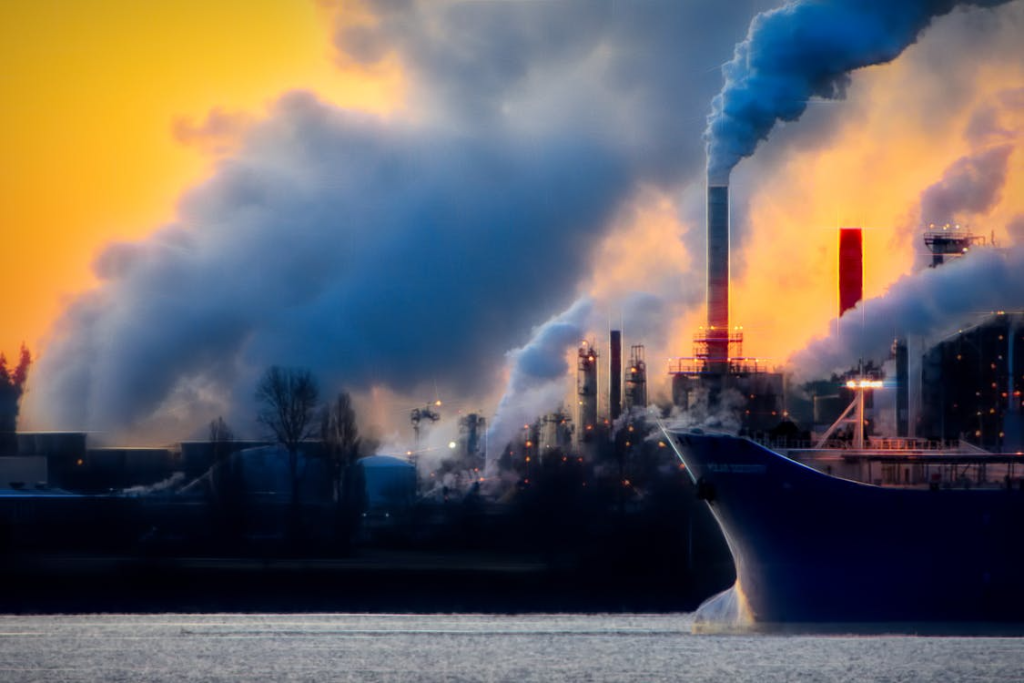
Ironically, the very tools of progress-technology and transportation-have become the biggest contributors to this crisis. The explosion of automobiles, especially in the developing nations, has brought both convenience and catastrophe. With every rev of the engine, vehicles spew carbon monoxide, nitrogen dioxide, and other deadly gases into the atmosphere. Urban centers that were designed to move people efficiently are now clogged with cars, motorcycles, and buses spewing pollutants at alarming rates.
First, ride-sharing apps and easy availability of cars have made matters worse. Instead of decreasing the traffic, these options have encouraged more vehicles to stay on the road for longer hours. Even electric vehicles, often hailed as the solution, are not that clean if the electricity powering them comes from coal-based sources.
Technology, too, plays a paradoxical role: even as advances have led to cleaner engines and better emission standards, the production and energy use of our digital lives-data centers, smartphones, manufacturing-are adding to carbon emissions overall. The ideal of the “smart city” is usually built on a base of high energy use that continues to feed the pollution problem unless powered by renewable sources.
Health and Environmental Consequences
Smog causes widespread and devastating effects. Whereas the short-term exposure to it results in coughing, irritation to the eye, and asthma attacks, long-term exposure increases the risk of chronic disease and premature death. According to an estimation by the Global Burden of Disease report, several million deaths each year result from outdoor air pollution, making outdoor air pollution one of the major causes of mortality in the world.
Beyond human health, smog also compromises ecosystems. This noxious air stunts the growth of plants, acidifies soils, and adulterates water sources through chemical deposition. Urban wildlife and birds have decreased reproduction and short life spans due to toxic exposure. The haze that dims our city skylines is not just a visual nuisance; it is a blanket of death, slowly suffocating every form of life beneath it.
Global Efforts and Urban Innovation
Notwithstanding the grim outlook, cities the world over have started to fight back. Policies advocating clean energy, green public transport, and strict emission norms are gaining momentum. Low-emission zones in Europe restrict entry of older, more polluting vehicles into city centers. China has invested heavily in electrical public transport systems and renewable energy infrastructure. Meanwhile, India’s push for electric mobility, along with programs like the National Clean Air Programme (NCAP), signals growing awareness and action. Technology itself, once the villain, is also emerging as part of the solution. Artificial intelligence and the Internet of Things monitor air quality in real time, predict spikes in pollution, and optimize traffic flow. Green innovations, such as vertical gardens, rooftop vegetation, and even pollution-absorbing building materials, have helped clean urban air.
A Shared Responsibility
But technology and policy alone cannot clear the smog that we have created. Real change has to be a behavioral transformation-from people, from corporations, from governments. Using public transportation, carpooling, using bicycles, reducing energy waste, promoting clean energy ventures-are small steps that create big impact. At the same time, city planning needs to move toward being people-centric rather than vehicle-centric. It should create facilities for pedestrians, efficient metro systems, and greenery-cum-lungs for cities. Simultaneously, there is a dire need to clean up industrial production processes and shift toward renewable sources of energy.
Looking Ahead: Clearing the Air
Ultimately, the tale of urban smog reflects that of human beings and their relation to progress. Our cities have grown at a breathtaking pace, but often at the cost of clean air and healthy living. We need to redefine what “development” truly means for the future-not in terms of skyscrapers and speed but sustainability and survival. The smog we created didn’t just appear in a day, and it won’t disappear so easily. But by blending innovation with responsibility, by seeing technology not as a cause for harming our nature but as a tool for healing, we can begin to reclaim the blue skies that once defined our world. The solution lies not in abandoning progress but in reshaping it-to build cities that breathe as freely as the people who live in them.


